

Business valuation services
A business valuation built on evidence — not guesswork
Clear, reasoned valuations for sales, share transfers, owner exits, investment and succession planning, with the method and assumptions explained to you.
A balanced assessment
Six perspectives that help build the full picture
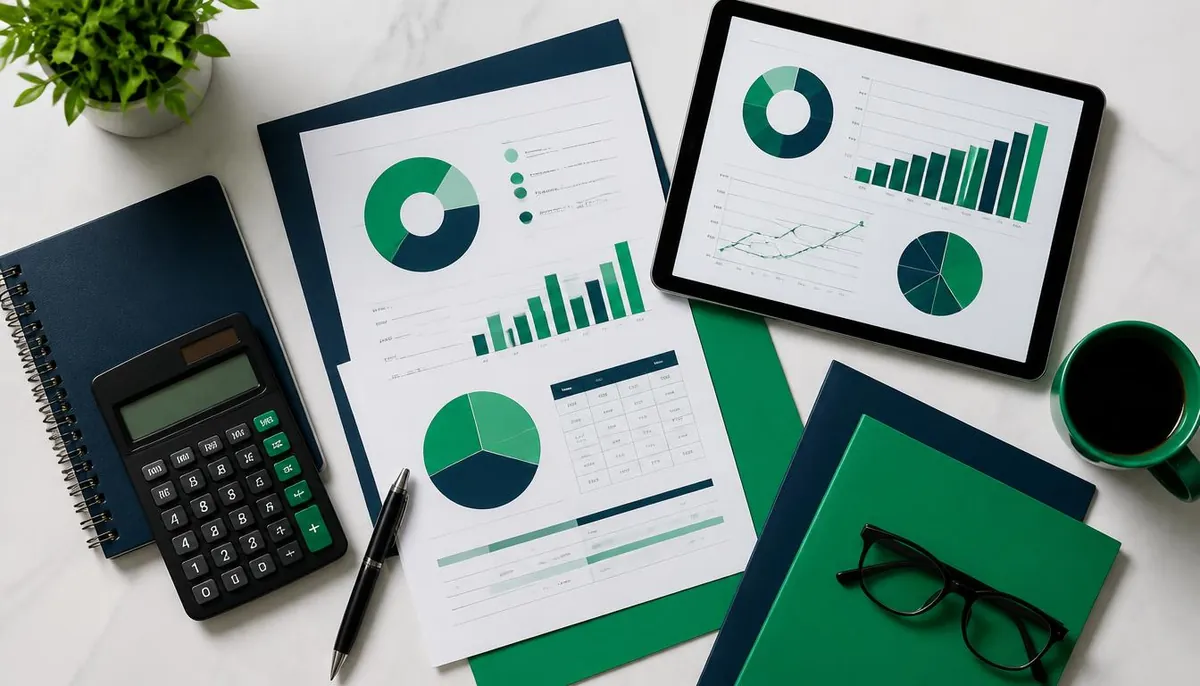
The right valuation may combine several approaches. We examine financial performance, market evidence, assets, future income, growth potential and goodwill as the circumstances require.
Financial statement analysis
A detailed review of historical results, current performance and credible financial projections, including the story behind unusual movements.
Market comparison studies
Relevant company and transaction evidence is considered alongside current market trends, with differences in size, risk and performance explained.
Asset-based valuations
Tangible and intangible assets are assessed, including machinery, property, stock, intellectual property and liabilities where relevant.
Income-based valuations
Maintainable earnings and anticipated cash flows are considered, with future value adjusted for timing, uncertainty and business risk.
Strategic growth assessments
Forward-looking opportunities, market position, capacity and realistic growth assumptions are tested rather than accepted at face value.
Goodwill valuation
Brand reputation, customer relationships, market position and proprietary processes are examined to understand value beyond net assets.
Start with the reason
What is the valuation for?
Choose the closest situation to see the questions and evidence likely to matter most.
Enter negotiations with an evidence-based view
A valuation can help you understand a defensible range before speaking to buyers, while making the assumptions and value drivers visible.
Discuss your circumstances- Maintainable profit and owner adjustments reviewed
- Market evidence and valuation range considered
- Key value drivers and risks highlighted
- Clear report to support informed negotiations
The evidence behind the number
What we examine
A reliable valuation depends on both the accounts and the commercial reality behind them.
We agree a focused information request for your business. Where specialist evidence is needed, we identify that clearly rather than making unsupported assumptions.
Typical valuation evidence
- Historical accounts and current management figures
- Budgets, forecasts and cash-flow projections
- Owner remuneration and exceptional items
- Assets, liabilities and finance commitments
- Customer, supplier and recurring-income profile
- Market position and relevant competitors
- Intellectual property and proprietary processes
- Growth plans, risks and key-person dependencies
A value is only useful when you can understand its basis
Different methods can produce different results. We explain why an approach is appropriate, how assumptions affect the conclusion and where judgement has been applied.
The report states its purpose and valuation date. It is a reasoned opinion based on the evidence available, not a promise of a future sale price.
Your report sets out
- The purpose, scope and effective valuation date
- Information reviewed and important limitations
- Methods used and why they were selected
- Adjustments, assumptions and sensitivities
- Market, asset, earnings and goodwill evidence
- The valuation conclusion and supporting rationale
From purpose to report
A clear, documented valuation process
The scope is agreed first, the evidence is tested and the conclusion is explained before the work is finalised.
- 01
Define the purpose
We agree why the valuation is needed, the interest being valued and the effective valuation date.
- 02
Gather the evidence
Financial statements, forecasts, asset details, ownership information and commercial context are collected.
- 03
Analyse and value
Appropriate methods are applied, assumptions are tested and the results are cross-checked against available evidence.
- 04
Report and explain
You receive a reasoned conclusion, supporting workings and a plain-English discussion of the findings.
Business valuation FAQ
Common questions about valuing a business
Need a clear view of what your business is worth?
Tell us why you need the valuation and when it is required. We will explain the information needed, scope, timetable and fee.